職涯Career
我的工作、演講和媒體報導My work, speaking engagements, and media coverage
專案作品Work

Capture App
Capture 讓任何人都能創建和分享可驗證的數位媒體。它正在為選舉、新聞和 AI 生成內容提供溯源支持。 Capture lets anyone create and share verifiable digital media — powering provenance for elections, journalism, and AI-generated content.

Numbers Protocol
一個區塊鏈解決方案,使數位內容可追溯、可信賴,並準備好進入合乎倫理的 AI 生態系統。我負責其全球成長和社群。 A blockchain solution that makes digital content traceable and trustworthy, ready for an ethical AI ecosystem. I lead its global growth and community.

Creative Origin Alliance
一個由創作者、技術專家和平台組成的網絡,從根本上建構負責任的 AI。我是創始成員和驕傲的麻煩製造者。 A network of creators, technologists, and platforms building responsible AI from the ground up. I'm a founding member and a proud troublemaker.

DT42
一家建構智慧邊緣解決方案的 AI 新創。我參與業務開發和策略成長,幫助塑造其在 AI 硬體領域的敘事。 An AI startup building smart edge solutions. I worked on business development and strategic growth, helping shape its narrative in AI hardware.

AIKEA
一個成功的 Kickstarter 項目,將私密 AI 驅動相機帶入家庭。我領導了產品發布和行銷活動,幫助達成募資目標。 A successful Kickstarter bringing a private, AI-powered camera into homes. I led the product launch and marketing campaign that hit the funding goal.

Keke AI Shorts
共同創建一個 YouTube 頻道,以簡短易懂的影片分享 AI 知識。讓 AI 對每個人都易於理解。 Co-created a YouTube channel sharing AI knowledge in short, accessible videos — making AI understandable for everyone.
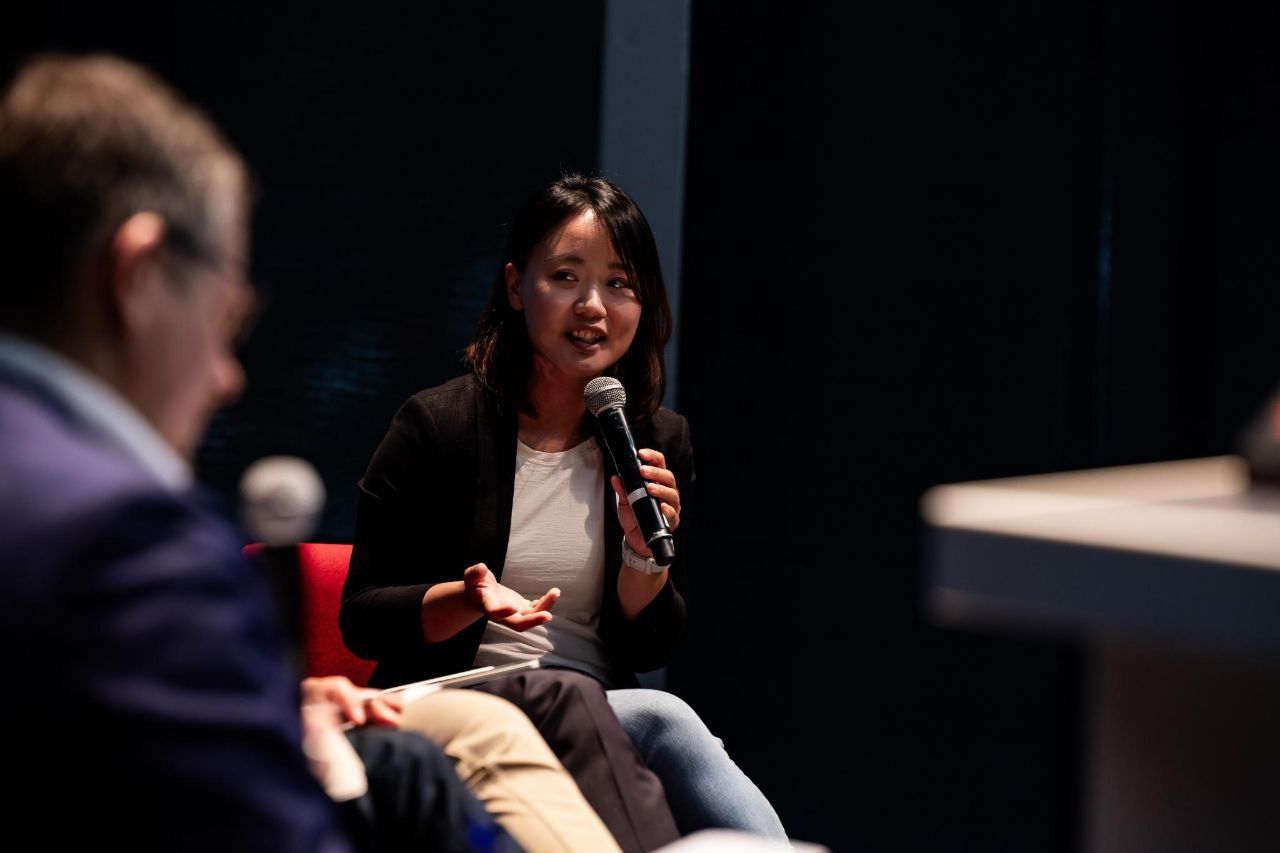
演講活動Speaking
- 台灣雲協「AI × 生態保育 × ESG」:分享 AI 石虎路殺預警系統(以灼灼科技 DT42 商務開發總監身分,2026)Taiwan Cloud & IoT Association "AI × Conservation × ESG": the AI leopard-cat roadkill warning system (as BD Director, DT42, 2026)
- 「職場必備 Vibe Coding 實作課」(經理人 Manager Today 線上課程)"Workplace Vibe Coding hands-on course" (Manager Today online course)
- 如何辨識有價值的資訊及重建新聞信任 / Identifying Valuable Information & Rebuilding Trust in NewsIdentifying Valuable Information & Rebuilding Trust in News
- Surviving the AI Flood: A Fireside Chat on Trust & RevenueSurviving the AI Flood: A Fireside Chat on Trust & Revenue
- RightsCon 2025 (side event host + speaker)RightsCon 2025 (side event host + speaker)
- 2024 Meet Taipei (panelist)2024 Meet Taipei (panelist)
- 2024 Trust Valley Official Opening (panelist)2024 Trust Valley Official Opening (panelist)
- Protecting Creativity in the Age of AI (panelist & speaker)Protecting Creativity in the Age of AI (panelist & speaker)
- AI Meets Blockchain (moderator)AI Meets Blockchain (moderator)
- DIGITIMES D Forum 2020 雲端大數據論壇(DT42 時期)DIGITIMES D Forum 2020 — Cloud & Big Data Forum (DT42 era)
- 「誰說 AI 與你無關」(2020 ACCUPASS 活動,DT42 時期)"Who Says AI Has Nothing to Do with You" (2020 ACCUPASS event, DT42 era)
媒體報導Media
-
POLITICO
討論中國針對台灣選舉的假訊息攻勢 On China's disinformation campaign targeting Taiwan's elections
-
AmCham
討論打擊選舉假訊息和數位驗證的重要性 On fighting election disinformation and why digital verification matters
-
Meet Global
分享區塊鏈技術和數位媒體驗證的見解 Insights on blockchain and digital media verification
-
田間 Tian Jian
為何要保存資料檔案? Why preserve data archives?
-
Meet 創業小聚
嚴世紀觀點:當海水退潮後,NFT 是泡沫還是創新? Sofia Yan's view: when the tide goes out, is NFT a bubble or an innovation?
-
MakerPRO
【OpenVINO】Edge AI 應用落地與開發實務論壇報導(DT42 時期) [OpenVINO] Edge AI deployment & development forum report (DT42 era)
PodcastPodcast
-
TEC TALK 創業不歸路
敏捷開發思維落實遠距制度設計:專訪數據溯源新創「Numbers」共同創辦人 Sofia Yan Agile thinking for remote-first design: an interview with Numbers co-founder Sofia Yan
-
區塊勢
以代幣經濟為數位影像加上溯源履歷 ft. Numbers Protocol 共同創辦人 Sofia Yan Adding provenance to digital images with token economics, ft. Numbers co-founder Sofia Yan
-
數位關鍵字
文組人也能上手的 Vibe Coding!AI 如何協助行銷人員解決重複性工作 Vibe coding even humanities folks can do: how AI helps marketers with repetitive work
-
數位關鍵字
圖、詐騙、假新聞越來越多!技術能重建你我對網路資訊的信任? Deepfakes, scams, and fake news: can technology rebuild our trust in online information?
-
職場來一課
文組生也能創建自動化流程工具!AI 如何融入工作流,提高做事效率 Even humanities grads can build automation tools: weaving AI into workflows for efficiency
-
de lab cafe
de lab 輕鬆聊:科技麻瓜在數據新創的生存指南 de lab chat: a tech muggle's survival guide inside a data startup
-
Numbers Network
新世代新聞驗證:科技如何重塑我們對真實的認知 Next-gen news verification: how technology reshapes our sense of what's real
-
創業新聲帶
Numbers (上) │ 如何擊破假新聞?Numbers 推出「真相快門」以區塊鏈技術確保數據完整性 Numbers (Part 1) │ Breaking fake news: the blockchain "truth shutter" for data integrity
-
創業新聲帶
Numbers (下) │ 如何擊破假新聞?Numbers 推出「真相快門」以區塊鏈技術確保數據完整性 Numbers (Part 2) │ Breaking fake news: the blockchain "truth shutter" for data integrity
SpeakingSpeaking
如果這些經驗剛好對你的團隊有用 If this field experience is useful for your team
演講與工作坊會把這些 AI 導入、內容溯源、團隊協作的現場,整理成團隊聽得懂、也能帶回去試的版本。 Talks and workshops turn these AI adoption, content provenance, and team-operation field notes into something teams can understand and try.